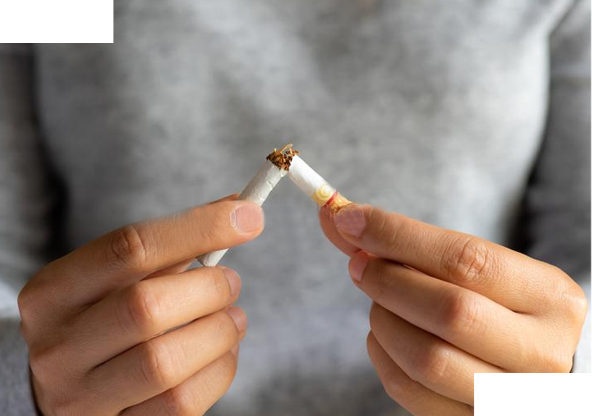
Smoking is a risk factor for stroke. Smoking adds to the buildup of plaque in your arteries (atherosclerosis). Nicotine raises your blood pressure. The carbon monoxide in cigarette smoke reduces the amount of oxygen your blood carries to your brain. Cigarette smoke also makes your blood thicker and more likely to clot increasing your risk of stroke.
If you smoke, quitting can help to reduce your risk. If you don’t smoke, you can protect yourself by avoiding second-hand smoke (environmental tobacco smoke).
If you smoke, talk with your doctor, pharmacist or stroke rehabilitation team. They can help you by referring you to programs, counseling, or medications can help you break the habit. Remember, it is never too late to become smoke-free.
The self-reflective tool is divided into 18 core categories, each reflecting a critical area of stroke rehabilitation. Within each category, you will find core skill statements written in the first person. These reflect expected competencies for stroke care providers.
For each statement, reflect on your current level of confidence and competence, and select the rating that best applies:
Competent
I feel confident in my knowledge and
can apply it effectively in practice.
Developing
I have some knowledge or occasional
experience but would benefit from
further support or training.
Needs Support
I am unfamiliar or not confident in this
area.
Your responses can be summarized into a scorecard that highlights strengths and identifies priority areas for development. Based on your results, a personalized learning plan can be created, directing you to key resources and training opportunities.
This is a self-reflective tool, not a test. Use it to track your growth, plan your learning, and enhance the quality of stroke care you deliver.
Overview and Instructions
The Community Stroke Rehabilitation Core Skills Self-Assessment is designed to support healthcare professionals in identifying their current level of knowledge and confidence across key domains of stroke rehabilitation. It is informed by the Canadian Stroke Best Practice Recommendations, regional service models, and interdisciplinary standards of care, with input from experts in stroke rehab within the West GTA Stroke Network.
This tool can be used during onboarding, orientation, annual reviews, or as part of continuing professional development. It is structured to help individuals reflect on their current knowledge, recognize learning needs, and access targeted development resources.
Community Stroke Rehabilitation Core Skills Orientation Checklist