Explore this site for information pertinent to stroke survivors, clinicians and all our stakeholders! Become informed about best practices across the stroke care continuum in order to support the delivery of excellent stroke care for our patients
EDUCATIONAL FUNDING APPLICATION
We are currently accepting applications for continuing education funding for opportunities falling between April 1, 2026-March 31, 2027. The deadline to apply for funding will be November 30, 2026. Successful applicants will be notified via e-mail at the end of December 2026.
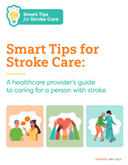
Smart Tips for Stroke Care: A healthcare providers guide to caring for a person with stroke
The goal of the Smart Tips resource is to highlight common changes due to stroke and strategies for managing these changes. This guide was intended/created for Personal Support Workers (PSW) working in Long Term Care in Ontario. However, anyone interested in stroke care can benefit from using this resource. To find out more information please visit the CorHealth website
Slide
Resources to help people with stroke and their families find support in the community.
Slide
Resources to help people with stroke and their families find support in the community.
We are pleased to launch the Stroke Clinical Reference Guide, a 48-page, full-colour, quick reference guide designed to support onboarding and orientation, while also serving as an at-a-glance resource for everyday clinical practice. It is available in printed and/or digital formats.
What Is A Stroke ?
A stroke is any interruption in blood flow to the brain. Without quick restoration of proper blood flow brain cells may die and permanent damage may occur.
The warning signs of stroke are the brain’s way of telling you that it is under attack. The warning signs will depend upon what part of your brain is in trouble.
The self-reflective tool is divided into 18 core categories, each reflecting a critical area of stroke rehabilitation. Within each category, you will find core skill statements written in the first person. These reflect expected competencies for stroke care providers.
For each statement, reflect on your current level of confidence and competence, and select the rating that best applies:
Competent
I feel confident in my knowledge and
can apply it effectively in practice.
Developing
I have some knowledge or occasional
experience but would benefit from
further support or training.
Needs Support
I am unfamiliar or not confident in this
area.
Your responses can be summarized into a scorecard that highlights strengths and identifies priority areas for development. Based on your results, a personalized learning plan can be created, directing you to key resources and training opportunities.
This is a self-reflective tool, not a test. Use it to track your growth, plan your learning, and enhance the quality of stroke care you deliver.
Overview and Instructions
The Community Stroke Rehabilitation Core Skills Self-Assessment is designed to support healthcare professionals in identifying their current level of knowledge and confidence across key domains of stroke rehabilitation. It is informed by the Canadian Stroke Best Practice Recommendations, regional service models, and interdisciplinary standards of care, with input from experts in stroke rehab within the West GTA Stroke Network.
This tool can be used during onboarding, orientation, annual reviews, or as part of continuing professional development. It is structured to help individuals reflect on their current knowledge, recognize learning needs, and access targeted development resources.
Community Stroke Rehabilitation Core Skills Orientation Checklist